Solving challenges in IR detection and cryogenics since 1967
Founded in 1967, IRLabs has a long-standing history of innovation in detecting ultra-low levels of infrared light and producing specialized cryogenic systems for various industries. With a focus on integrity and dedication, we have successfully designed, manufactured, and integrated over 4,500 infrared detection and cryogenic systems for clients across the globe. Our experienced team possesses the necessary application knowledge and technical expertise to deliver exceptional solutions tailored to your unique needs.
Our History of Innovation
1961—Dr. Frank Low invents the Ga-doped Ge Bolometer
1967—Dr. Frank Low starts IRLabs to produce bolometers and cryostats
1968—First dual Ge:Ga bolometer delivered to Kitt Peak National Observatory
1970s—Contributed to first airborne telescopes used to make far-infrared observations of Jupiter, Saturn and Venus
1972—First HD-3 Dewar, now known as the HDL-5
1975—Kuiper Airborne Astronomy Project
1981—First cryogenic TIA
1981—First Helium 3 System with temperature to 280mK
1983—Led instrumentation development for IRAS, the first IR observatory in space
1990s—Performed optical work for JPL for the Lunar Planetary Observe
1993—Delivered the Omega Cass camera for Max Planck Institute
1996—World’s first Infrared Emission Microscope (IREM) for the new application of failure analysis of semiconductors using our technologies for observing the faintest light emissions in deep space
2001—Delivered the 2-m Aperture Telescope camera for Indian Institute of Astrophysics
2003—IRLabs founded to focus on IREM systems for the semiconductor industry
2003—World’s lowest noise InGaAs Focal Plane Array Detector
2004—Second generation IREM, the IREM-II, developed for the semiconductor industry
2007—Dr. Low retires
2009—Third-generation of IREM-SIL developed for semiconductor failure analysis
2010—The assets of NoblePeakVision Corp, the developer of TriWave Ge-enhanced CMOS SWIR FPA’s were acquired by IRLabs bringing new photodetector technology to our product line
2012—IREM III camera and SIL 3.0 NA lens are released creating a cutting edge semiconductor failure analysis tool with high throughput and ease of use
2013— First delivery of Ultra Low Vibration Closed Cycle Bolometer System
2014—First IREM-IV Camera installed, MCT camera with large FOV and 3.3NA SIL lens
2017—Completed upgrades to MIRSI [Mid-IR Spectrometer and Imager] instrument
2018—PARAS [PRL Advanced Radial velocity Abu Sky Search] Astronomical Camera Cryostat. High resolution spectrograph for planet hunting.
2018 —SHARK-NIR [System for coronagraphy with High order Adaptive optics from R to K band] cryostat system. Exoplanent hunter installed at the Large Binocular Telescope.
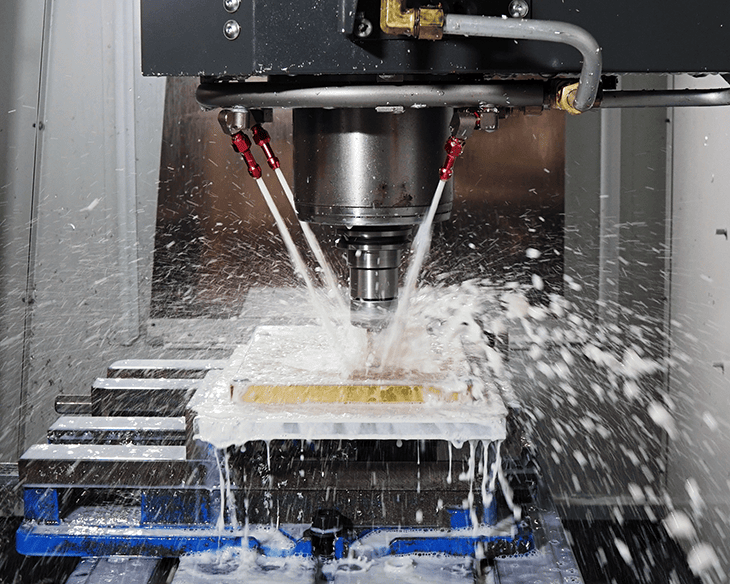
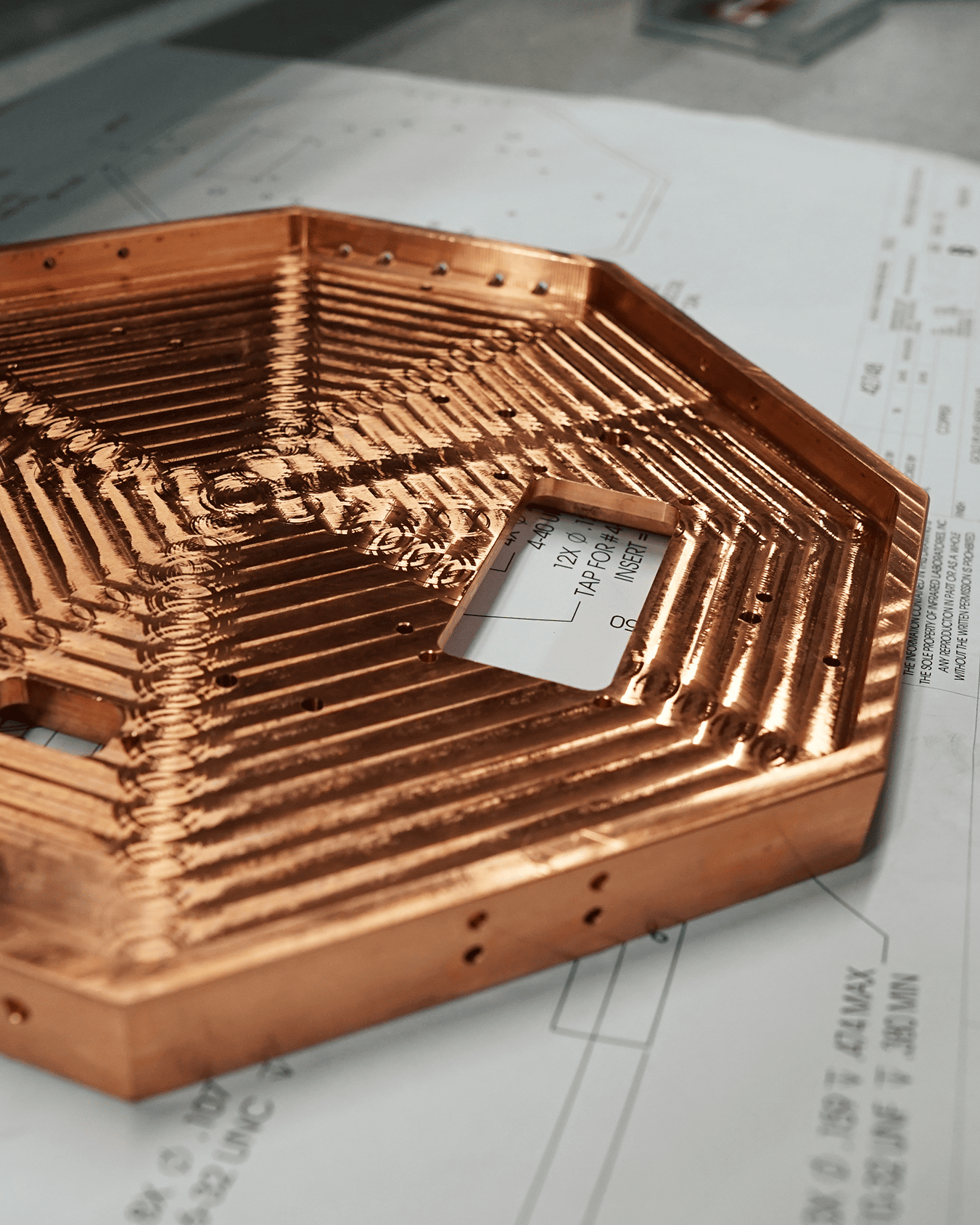
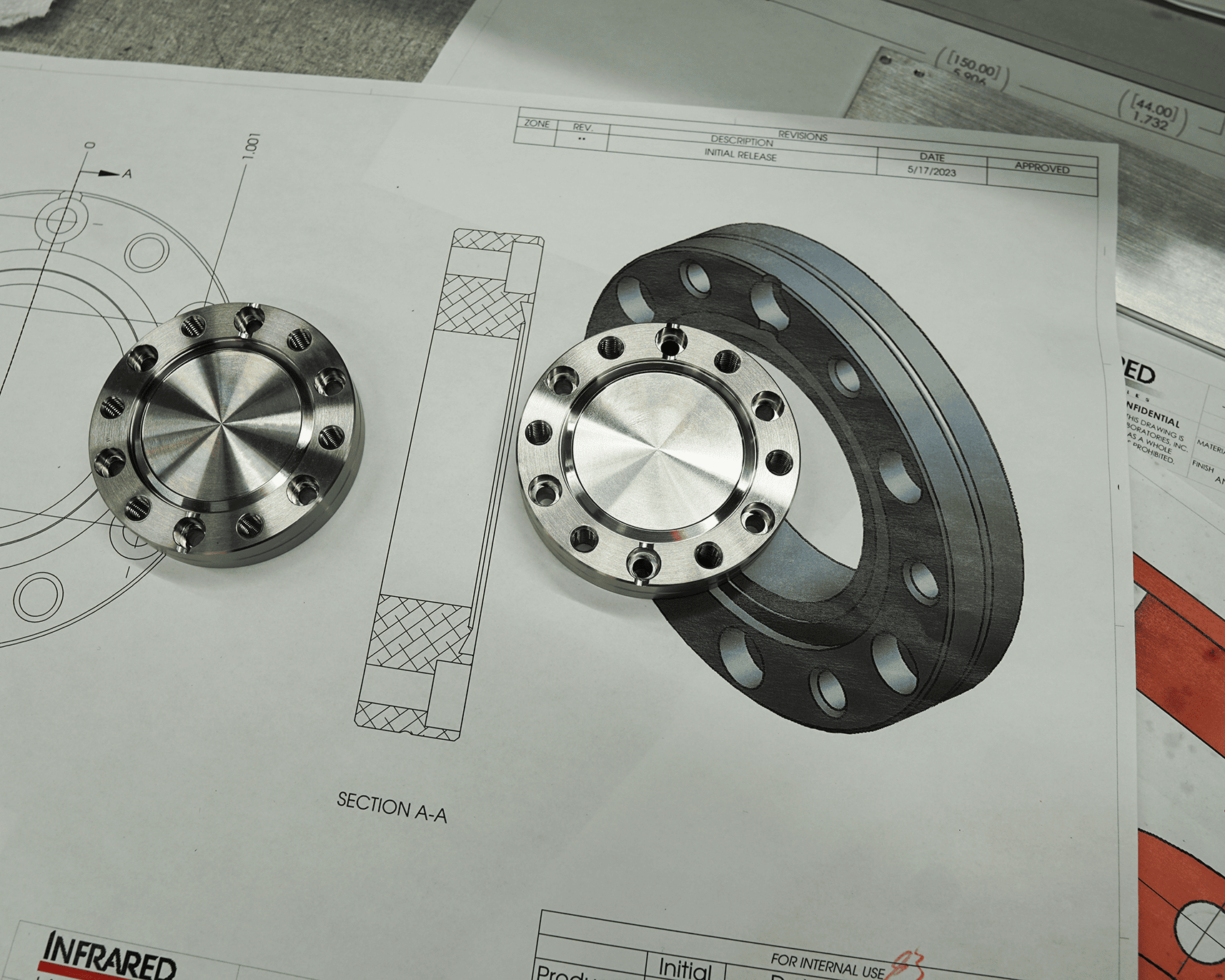
2020—Purchased 5,000 square foot building for dedicated manufacturing space adjacent to corporate office. The building is dedicated to long-time IRLabs employee, Mike Hill who managed the machine shop. Hill retired from IRLabs after 40 years of service.
2021—Purchased 4-Axis CNC machine to expand manufacturing capabilities.
Our Clients
Air Force Research Lab
Army Night Vision Lab (NVESD)
Australian Synchrotron
Bruker
CERN
DMEA
Fermi National Acceleratory Lab
German Aerospace Center (DLR)
Goddard Space Flight Center
Intel
Lawrence Livermore National Laboratory
Micron
MIT
National Optical Astronomy Observatory (NOAO)
Nvidia
Physical Research Institute (PRL)
Qualcom
Sandia National Laboratories
Smithsonian Institute Observatory
Teledyne Imaging Systems
Texas Instruments
Thermo Electron Scientific
Toshiba
Universities & Observatories Worldwide